Notes from the pavement
Shorter pieces that answer one question about a material: why it is painted, how it fails, how to tell it from its imitators.
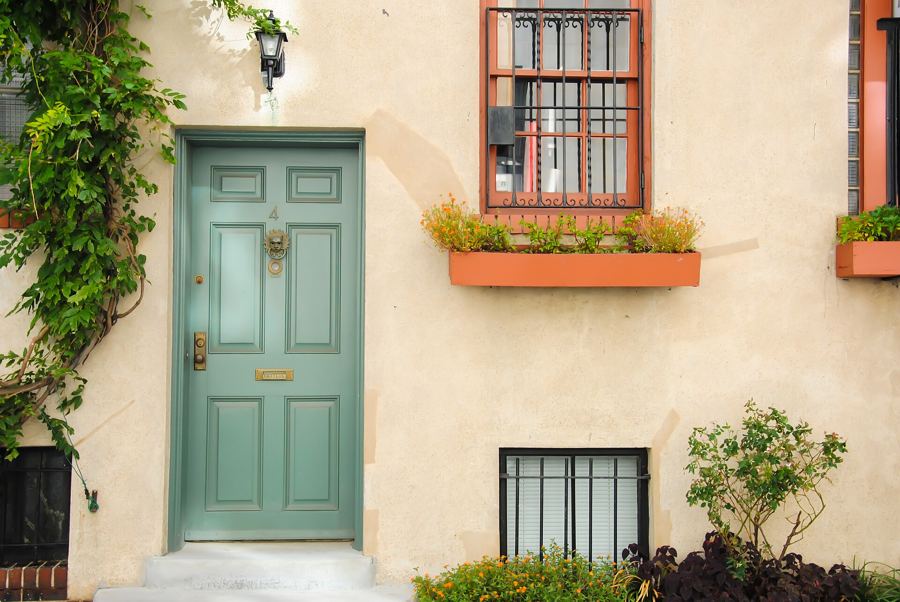
Why so much New York brick is painted
Paint on brick is rarely a whim. It protected soft early bricks, followed changing fashion, carried advertising, and now sits at the centre of a quiet preservation argument.
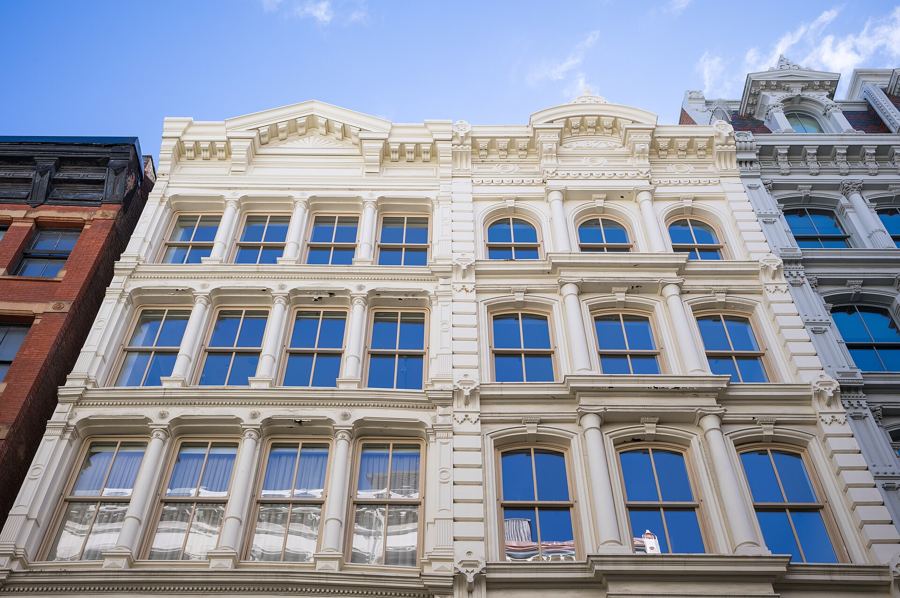
Iron or stone? How to tell from the pavement
Many SoHo fronts were cast in iron and painted to pass for stone. A handful of simple tests, all done from the pavement, will tell you which is which.
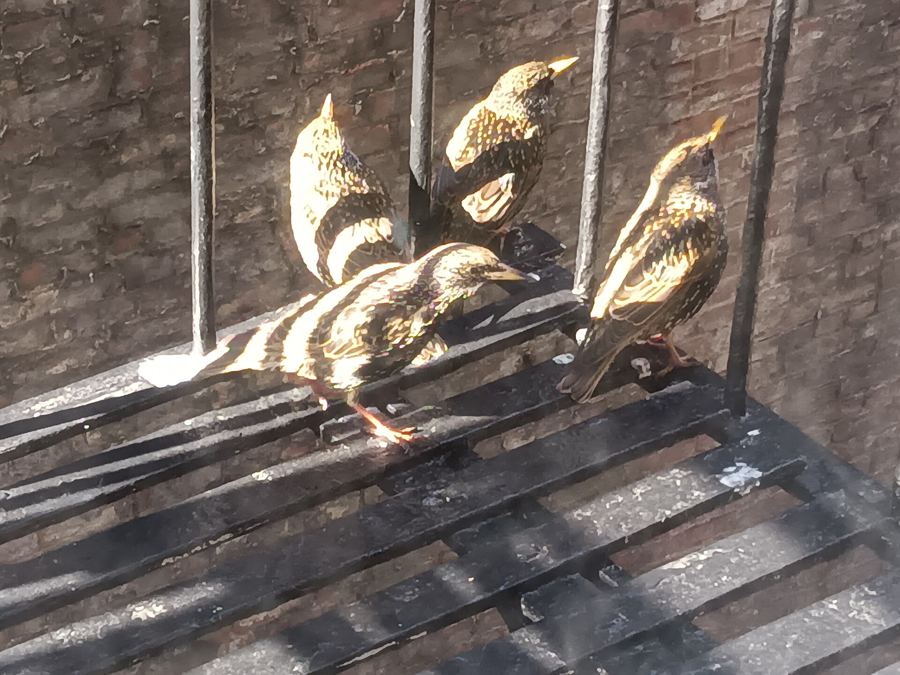
Fire escapes were part of the design
The iron fire escape began as a legal requirement and ended up as one of the defining features of the New York street. Learn its parts, its history and why so many stay put.

Why the front door is up a flight
The high stoop is the signature of the New York row house. Here is what it did, where the word comes from, what sits underneath it, and why so many were removed and then rebuilt.
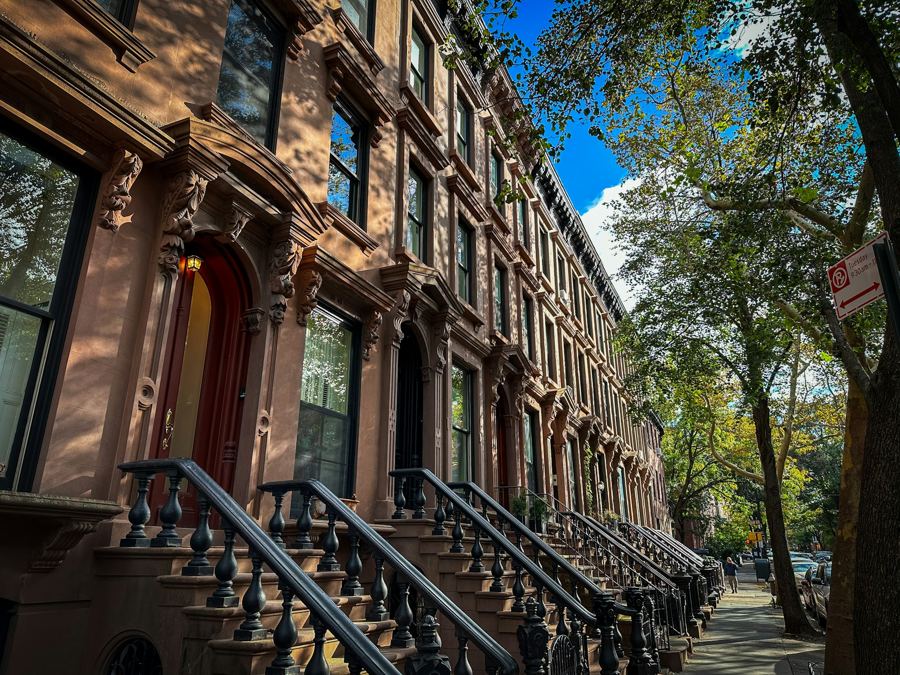
Brownstone is soft: what restorers patch
The chocolate fronts of Cobble Hill and Carroll Gardens are mostly a thin skin of soft sandstone, and much of what you see today is careful repair. Here is how to tell.
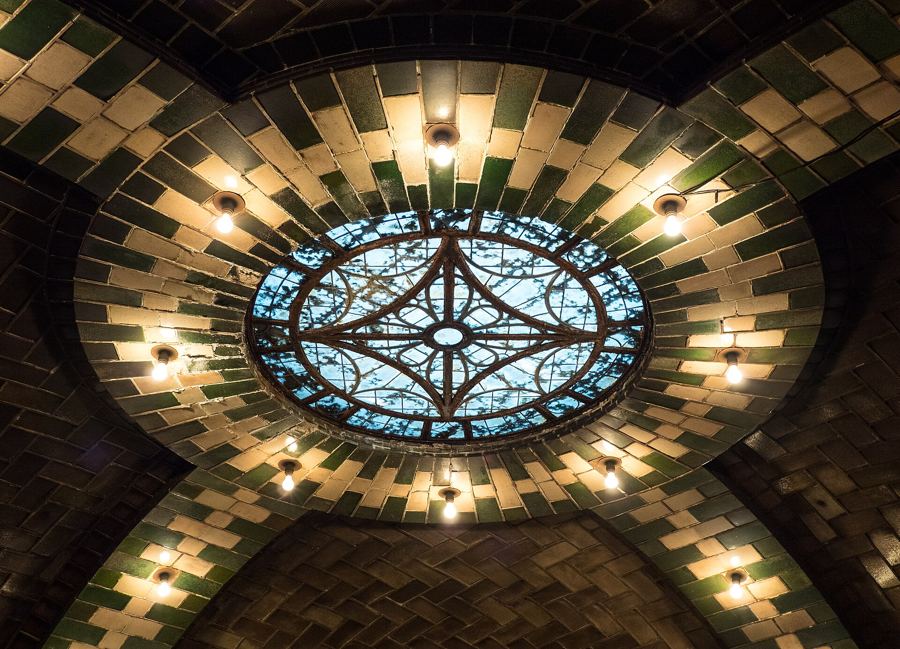
Tile overhead: the Guastavino vaults
Thin layers of flat clay tile, laid in fast-setting mortar, hold up some of the most graceful ceilings in New York. Once you know the pattern, you find it everywhere.

How limestone weathers in city air
Indiana limestone covers much of Midtown, and every front records the city's air. Learn to read black crusts, pale rain-washed streaks, flaking edges and the marks of cleaning.
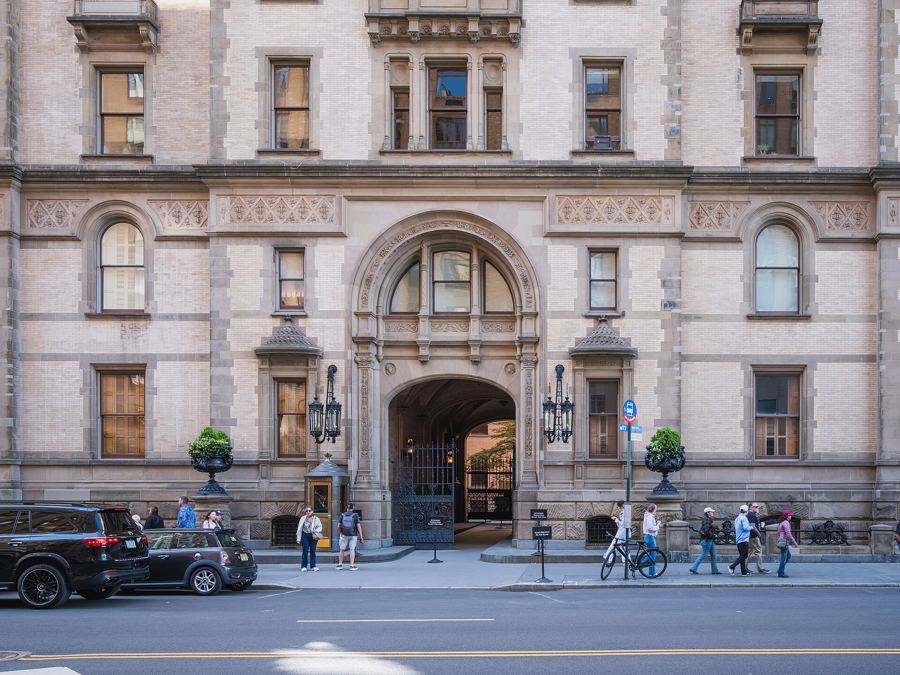
Reading a facade in five minutes
Any old New York front can be read from across the street in five minutes. Work from the ground up, then check the material, then look for a date.