Why so much New York brick is painted
Paint on brick is rarely a whim. It protected soft early bricks, followed changing fashion, carried advertising, and now sits at the centre of a quiet preservation argument.
- Neighbourhood
- New York
- On foot
- About 45 minutes
- Subway
- Christopher St, 1 train
- Best months
- Any dry month
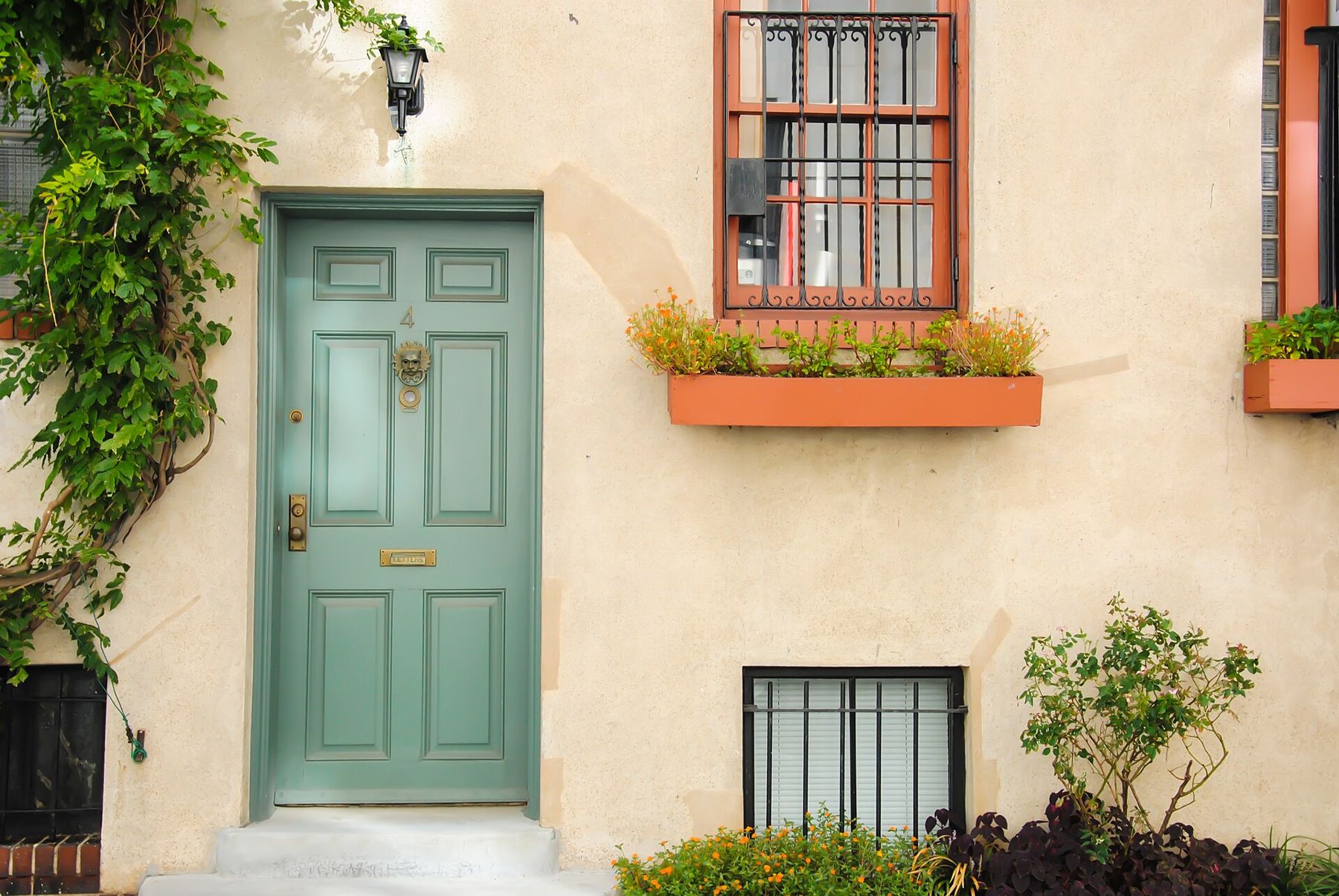
Walk any older street in Greenwich Village and count the fronts. A good share of them are brick you cannot see: covered in red, cream, grey, white or a dark green so deep it reads as black. Visitors tend to assume someone simply wanted a change of colour. Sometimes that is true. More often the paint is doing a job, or it records a job done a century ago, and you can learn to read it.
Soft brick needed a coat
Early nineteenth-century New York brick was made by hand and fired in simple kilns. The bricks closest to the fire came out hard and dark; those at the edges of the kiln were underfired, pale and soft. Builders used the best bricks on the front of a house and the soft ones where they would not be seen, but even good brick of the period absorbs water. Water that gets into a soft brick freezes in winter, expands and pushes off the face. A coat of paint, or a wash of linseed oil and pigment, slowed that down.
So the oldest paint on New York brick was often maintenance. Owners of plain Federal houses painted their fronts to keep them dry, and they kept painting, because once a soft brick has been sealed and then exposed again it can decay faster than if it had been left alone.
Red paint, white lines
The second reason was fashion. In the Federal period a fine house was supposed to look as if it were built of perfectly even brick with perfectly thin joints. Real brick, uneven in colour and laid with thick lime mortar, did not oblige. The fix was to paint the whole front a uniform brick red and then draw thin white lines along the joints, a technique called penciling. From across the street the wall looked crisper and more expensive than it was.
Look closely on old fronts and you can sometimes still see traces of this: faint pale lines that do not quite follow the real mortar joints, or a red layer showing through a later coat where it has worn away at a corner. When restorers find penciling under later paint they sometimes reproduce it, which is why a few Village houses look slightly too neat. That neatness is historical.
Later coats: cream, grey and the stucco front
By the mid-nineteenth century fashion swung to stone, and brick suddenly looked plain. Owners who could not afford a new stone front painted their brick in stone colours, buff, grey, sand, so that from a distance it could pass for something grander. Some went further and covered the brick with stucco, a coat of lime or cement render, sometimes scored to imitate blocks of stone. Many of the cream and pale-orange fronts in the Village are stucco over brick, not paint over brick, and the difference shows at the edges: stucco has thickness, and where it cracks you see a layer, not a film.
Brownstone · Field noteBrownstone is soft: what restorers patchIn the twentieth century came whitewash and then bolder colours, deep green, black and red, and the habit stuck. Paint also hid a multitude of repairs: patched brick, mismatched replacement brick after a new window was cut, filled openings where a shopfront was removed.
Ghost signs on the side walls
The third reason paint went on brick was advertising. Before electric billboards, the blank side walls of buildings were rented to sign painters, who lettered names, products and slogans in tall letters straight onto the brick. Most of these were painted over or hidden by new buildings. When a neighbour is demolished, or a later coat weathers away, the old lettering reappears, faded and ghostly, and New Yorkers call these ghost signs.
They are worth hunting for on the side walls of older buildings in the Village, SoHo, Tribeca and the Lower East Side. The best time to look is low winter light, which rakes across the wall and picks out the raised edges of old paint. Read them as archaeology: the paint sat on the brick for decades, and the brick under the letters is often in better condition than the brick around it, because the paint kept it dry.
Strip it or keep it: the preservation argument
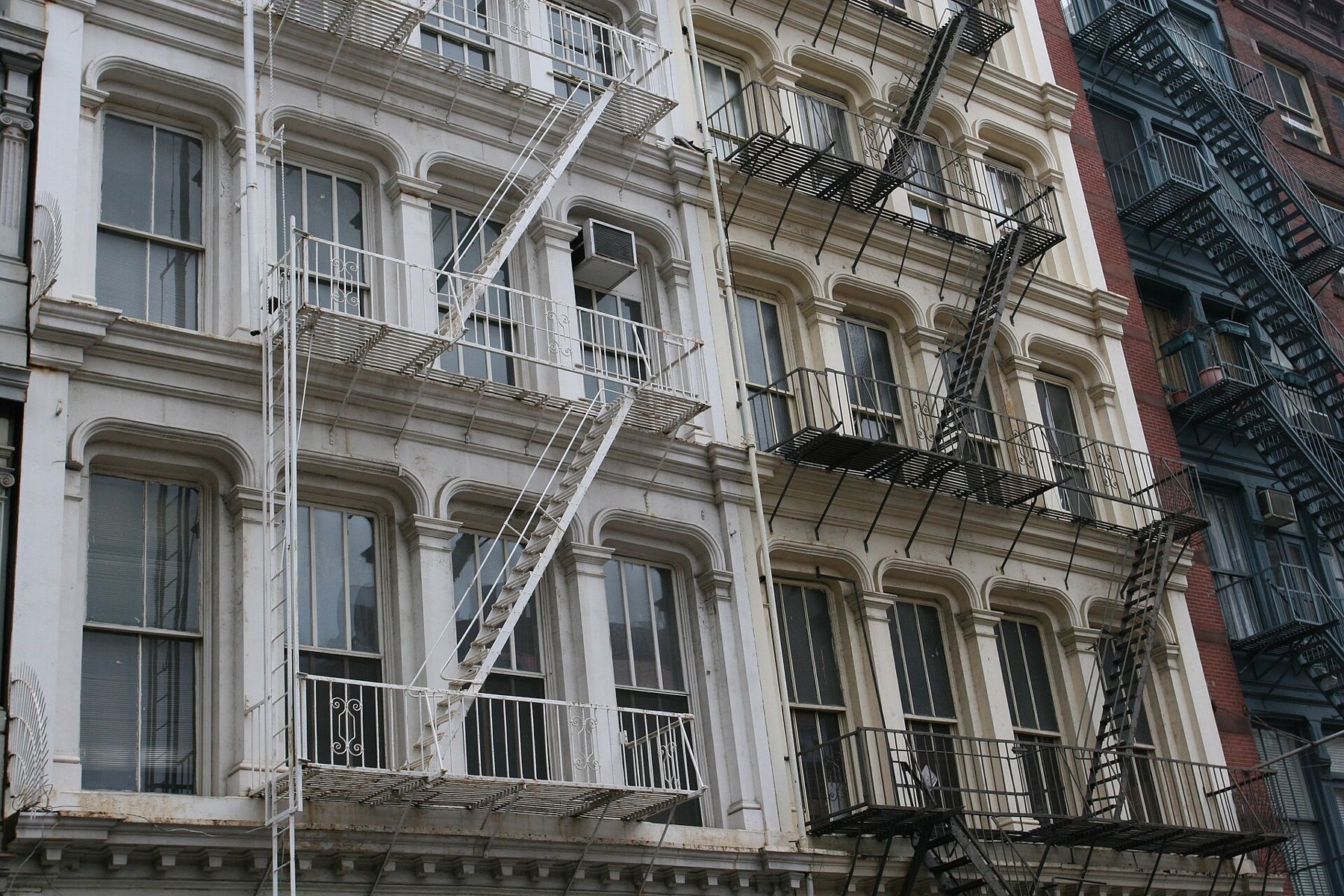
This is where paint becomes a debate. Some owners want the paint off, to show what they see as the honest brick underneath. Preservationists tend to be cautious, for practical reasons. Abrasive cleaning, such as sandblasting, removes the hard outer skin of a brick and leaves the soft core exposed to weather, and the damage cannot be undone. Even gentle chemical stripping can reveal brick that was never meant to be seen: soft, mismatched, patched. The wall that emerges may be less historic than the paint that covered it.
The Landmarks Preservation Commission oversees work on buildings in designated historic districts, such as the Greenwich Village Historic District, designated in 1969, and changes to facades there generally need its approval. Its approach, in general terms, favours gentle methods and keeping historic finishes. Rules and procedures change, so if you own an old building, check the Commission's current guidance before you go near a front with a scraper.
How to read paint on a walk
Use a simple order, the same one taught in reading a facade in five minutes.
- Look at the corners and the bottom of the wall, where paint wears first. If you see red under cream, the front has been repainted in a new fashion.
- Look at the joints. Paint over brick still shows the grid of the mortar; stucco hides it or replaces it with scored lines that are often too regular.
- Look at the window openings. A patch of different texture beside a window often marks an opening that was moved or filled, and the paint is covering the evidence.
- Look high on the side walls for ghost signs and for the outline of a vanished neighbour's roof.
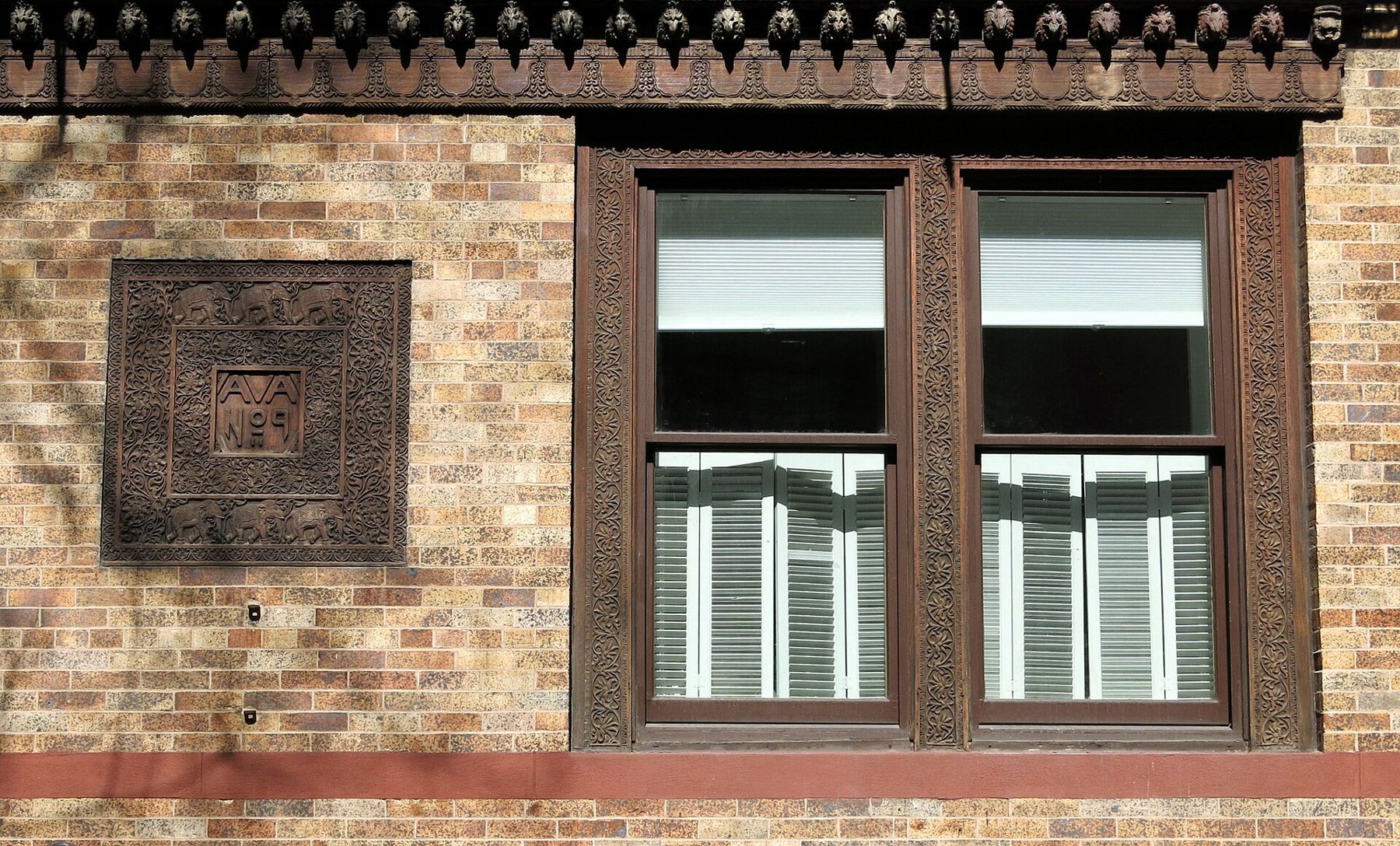
Then compare with an unpainted front nearby. The speckled brick around carved wood trim on East 10th Street shows what a careful builder could do with good face brick, and why nobody would paint it. Tribeca's warehouses, on the walk through Tribeca's warehouse blocks, are mostly bare hard brick, because they were built later and with better material. Stone raises the same questions about coatings and cleaning; how limestone weathers picks up the argument uptown.
Keep to the pavement. Every front on this kind of walk belongs to someone, and the most interesting corners are often right beside a front door.
Every photograph on this page is credited, with its licence, on Masons of the lens.