Every block in New York is made of something. Learn the five and the city starts explaining itself.
Brick for the warehouses and early houses, cast iron for the shop fronts of SoHo, brownstone for the rows of Brooklyn and Harlem, terracotta for the ornament, limestone for the grand set pieces. One swatch per material, with its walks listed beneath.
 No. 01
Brick
 No. 02
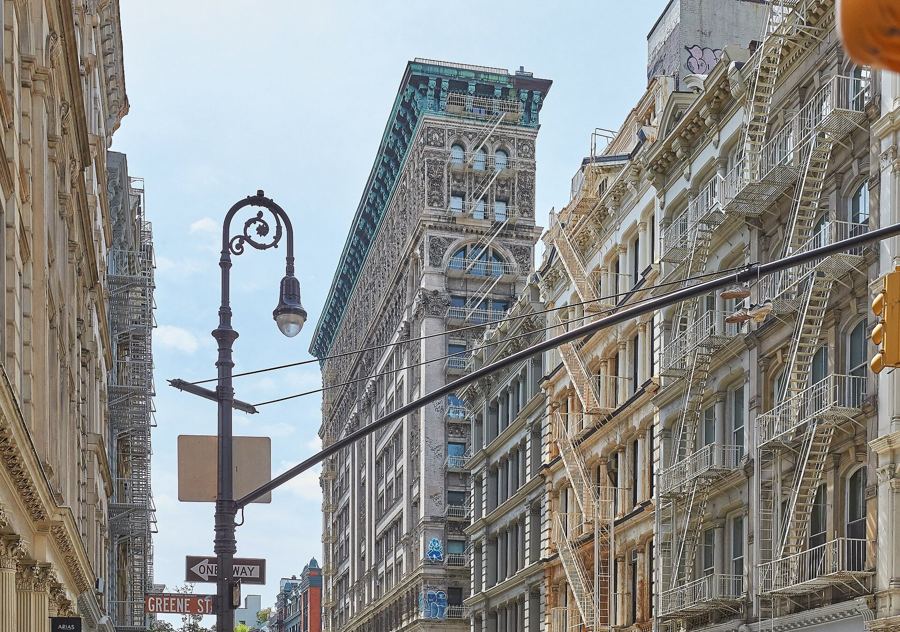
Cast iron
 No. 03
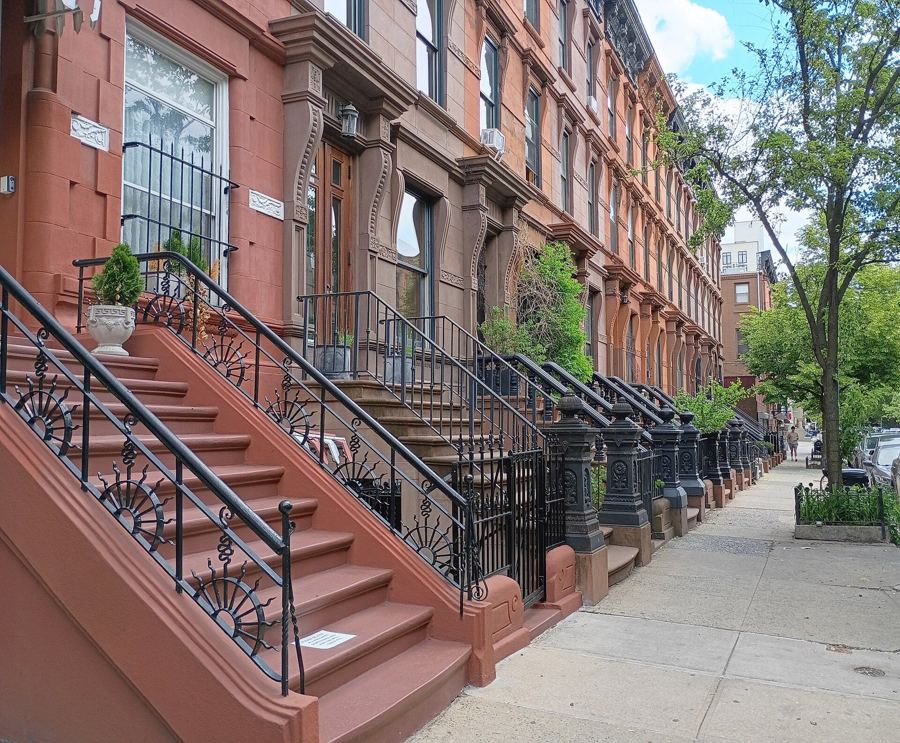
Brownstone
 No. 04
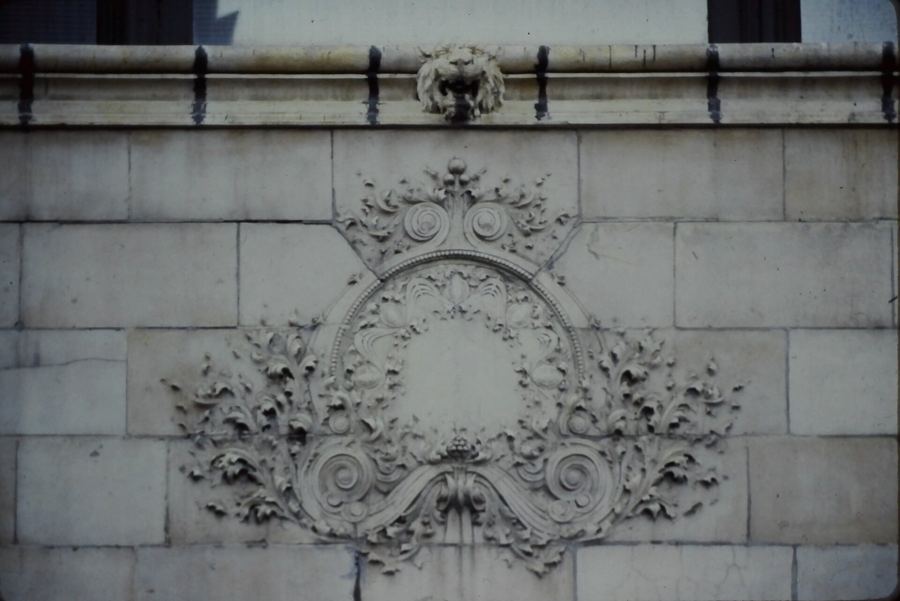
Terracotta
 No. 05
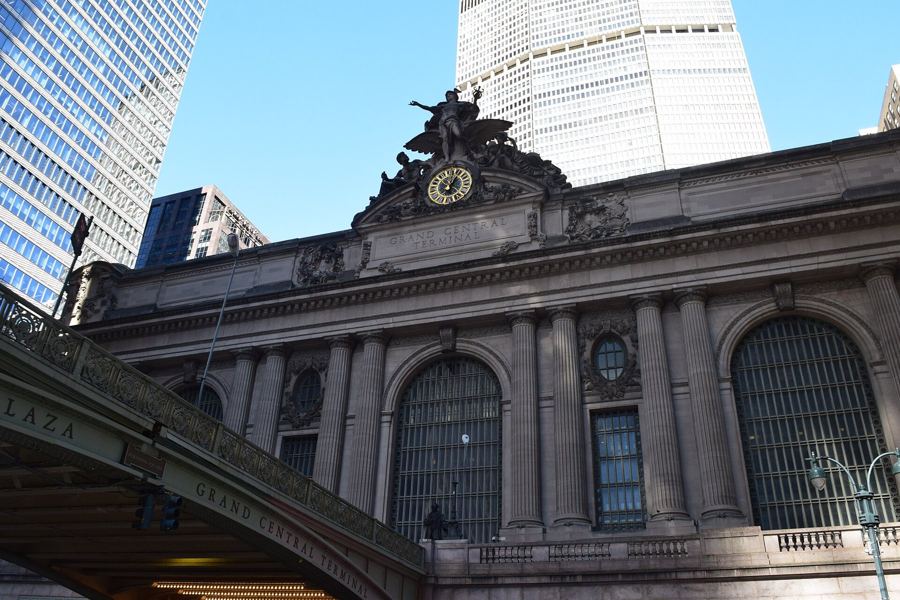
Limestone
The photographers behind every swatch are named on Masons of the lens.
- Cornice
- The projecting crown at the top of a building. On iron fronts it is often sheet metal painted to match.
- Stoop
- The flight of steps up to a row-house door, with the service entrance tucked underneath.
- Lintel
- The beam over a window or door. Stone lintels on brick walls are one of the easiest dates to read.
- Quoin
- Corner blocks set out from the wall, sometimes real stone, sometimes iron or stucco pretending.
- Ashlar
- Cut stone laid in regular courses with fine joints, the look limestone buildings aim for.
- Vault light
- Small glass discs set in iron sidewalk plates, which once lit the basements below the shops.
The same walks, by neighbourhood
TribecaTribeca's warehouse blocks, Harrison to HubertBrickBrooklyn HeightsMiddagh Street and the oldest houses in the HeightsBrickSoHoGreene Street, block by blockCast ironHarlemHarlem's rows, from Mount Morris to Strivers' RowBrownstoneNoHoBleecker Street's white towerTerracottaLower ManhattanLook up on lower BroadwayTerracottaMidtownGrand Central from Park Avenue and 42ndLimestoneFifth AvenueFifth Avenue's pale mileLimestone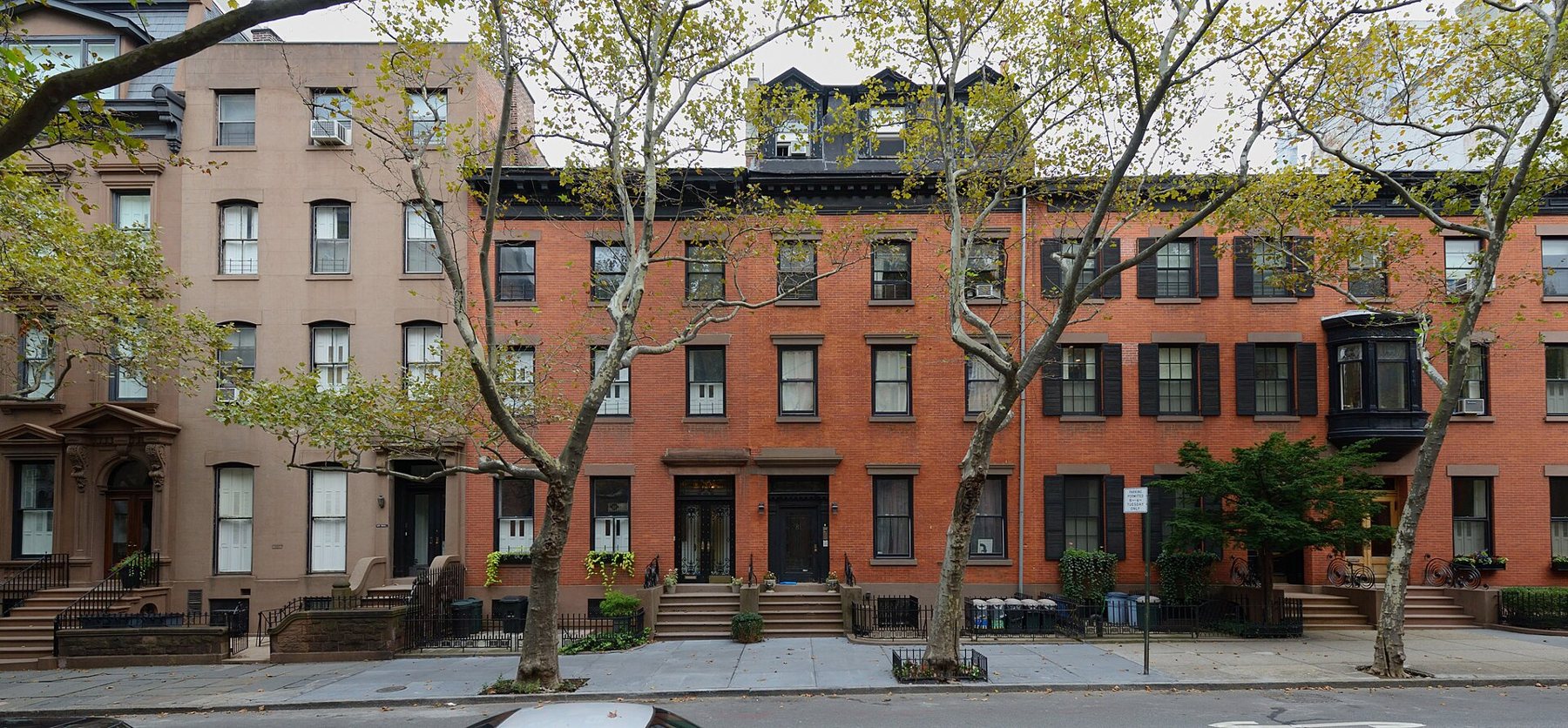
Brooklyn Heights, one row at a time
The Heights was New York's first designated historic district, and it holds almost every kind of house the city built in the nineteenth century. Walking its short streets in order, from Federal brick near the river to brownstone further in, is the quickest lesson in how New York changed its mind about materials.
Walk the HeightsFinish on the Promenade, looking back at what you have read
From the Brooklyn Heights Promenade the whole of lower Manhattan sits across the water: brick, iron and stone stacked up behind the piers. It is the right place to stop.